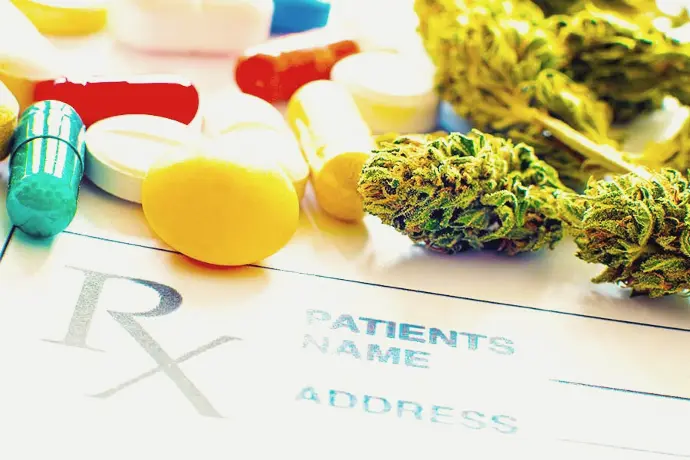
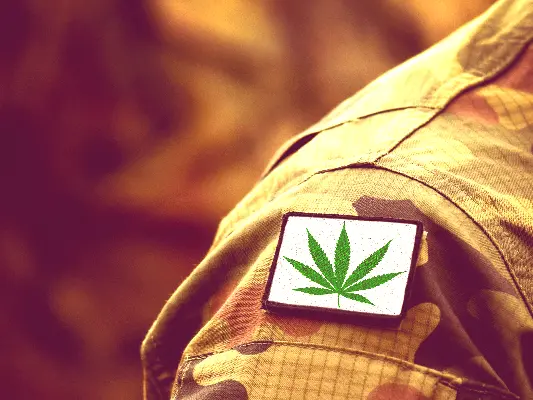
Veterans and medical cannabis are increasingly recognized within clinical research, advocacy circles, and public health policy. Many veterans experience chronic pain, post-traumatic stress disorder (PTSD), and related conditions at higher rates than the general population. Despite growing evidence supporting cannabinoid therapy, veterans face significant obstacles:
- Federal prohibition blocks coverage of cannabis through Veterans Affairs (VA) benefits.fda
- State-level medical cannabis programs vary widely, leaving veterans dependent on local policy.
- Stigma, insufficient provider education, and the risk of losing federal benefits deter open patient-provider dialogue.
CCOE and similar organizations promote improved access, urge transparent communication, and support education for both veterans and care teams to better navigate evolving regulations.
Federal, State, and VA Policies
Affecting Cannabis Care
Navigating Regulations, Medical Cards, and Safe Use for Veterans
The legal landscape remains complex.
- Under federal law, cannabis is classified as a Schedule I substance and is not covered in any VA healthcare plan.
- Most states now allow medical cannabis with qualifying conditions, such as PTSD and chronic pain, yet registration, eligibility, and dispensary processes differ by region.fda
- Many veterans secure state medical cards, attend physician consultations, and choose registered dispensaries to comply with local regulations.
Support groups and advocacy entities provide vital information, legal resources, and guidance for safe and effective therapy. Efforts are underway to standardize medical cannabis integration within VA-related programs and clinical care.
Clinical Evidence and Veteran Experiences:Therapeutic Outcomes, Safety, and Ongoing Research

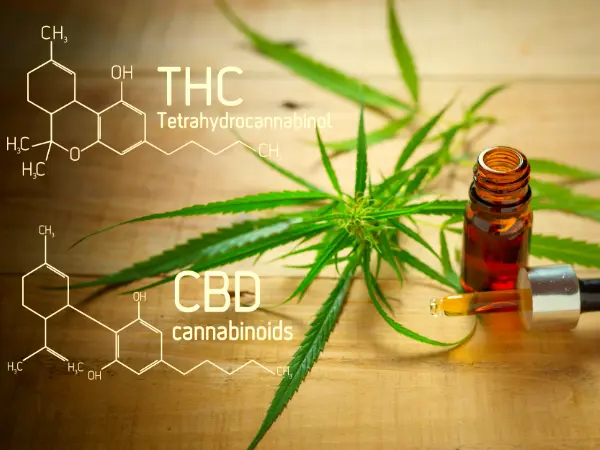
Current studies suggest cannabinoids, such as CBD and THC, offer meaningful symptom relief for pain and PTSD.ncbi.nlm.nih+1
- Many veterans report reduced opioid and antidepressant use with medical cannabis.
- Quality-of-life improvements include better sleep, emotional stability, and engagement in daily routines.
- Ongoing research addresses variability in dosing, strain selection, and overall safety, with veterans often participating in patient registries and longitudinal data initiatives.
Veteran testimonials reinforce the need for individualized care, physician support, and evidence-based resources—core priorities for CCOE.
Frequently Asked Questions
Is medical cannabis covered by VA benefits?
No. The VA does not authorize or reimburse for medical cannabis (federal law prohibits it).
How can veterans qualify for medical cannabis?
Veterans must meet their state’s medical cannabis criteria, usually requiring physician certification, diagnosis of qualifying conditions, and medical card registration.
Does medical cannabis affect VA benefits?
While VA providers cannot recommend cannabis, use does not automatically affect benefits—however, open discussions with care teams are vital.
What research supports cannabis for PTSD and pain?
Growing clinical data and patient registries confirm symptom improvement, especially for pain and PTSD.ncbi.nlm.nih
Glossary of Terms
- Veterans Affairs (VA): U.S. government agency providing healthcare and support for veterans.
- PTSD: Post-traumatic stress disorder, common among military personnel.
- Medical Cannabis Program: State-regulated system allowing qualified patients regulated access.
- Medical Card: Document authorizing patient's legal access to cannabis.
- Cannabinoid Therapy: Use of THC, CBD, and related compounds for symptom management.
- Patient Registry: Database collecting real-world patient outcomes for research.