How Cannabis Alleviates Pain: Mechanisms and Clinical Data
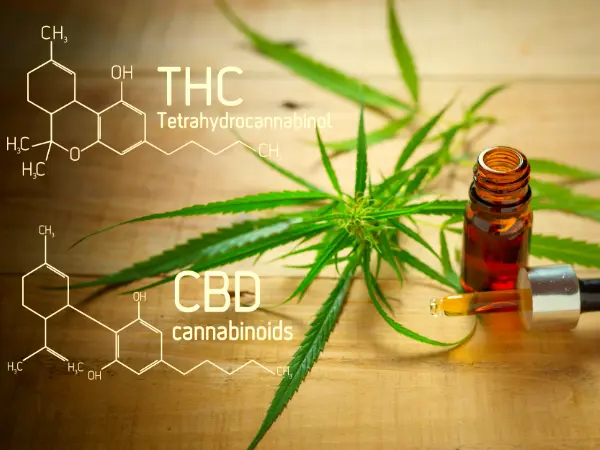
Cannabis for chronic pain is now widely discussed in medical literature, advocacy groups, and patient communities. Chronic pain refers to persistent discomfort that can last months or years, undermining daily activities and quality of life. Cannabis interacts with the body’s endocannabinoid system (ECS)—composed of CB1 and CB2 receptors—to help modulate pain signals, inflammation, and emotional response. Cannabinoids such as THC and CBD act as agonists or antagonists at these receptor sites, influencing neurotransmitters related to pain. Real-world and clinical data show promising reductions in pain intensity among patients who integrate medical cannabis into their regimen, often enabling decreased reliance on opioids and other pharmaceuticals.ncbi.nlm.nih+3
Navigating Dosing, Strains, and Patient Experiences
Choosing Between Indica, Sativa, and Hybrid for Pain Relief
Selecting the appropriate cannabis product involves understanding medical terminology and individual needs.
- Indica strains are typically described as relaxing, helpful for body pain and sleep.business.dutchie+1
- Sativa strains are often more energizing, and may suit those whose pain impacts focus and mood.business.dutchie
- Hybrid strains offer tailored cannabinoid and terpene profiles.
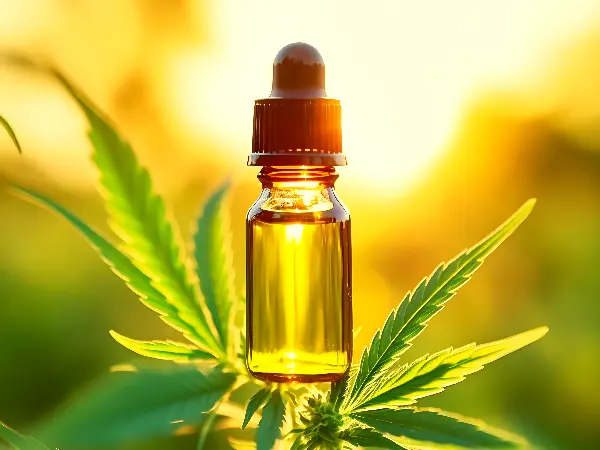
Dosing varies based on product (flower, edibles, tinctures), route of administration (bioavailability), and patient experience with cannabis. For newcomers or those with medication sensitivities, starting with low doses and titrating slowly remains industry best practice. Healthcare providers, especially those partnered with organizations like CCOE, work to personalize blends, delivery methods, and dosing schedules using evidence-based protocols.sciencedirect+1
Clinical Research and Patient Perspectives
Opioid Reduction, Improved Quality of Life, and Safety Considerations
Studies published over the last decade highlight significant patient-driven reductions in opioid use following cannabis intervention for chronic pain. Quality-of-life indicators—such as sleep, emotional wellbeing, physical activity, and productivity—often improve concurrently. Safety and side effect management are essential, with ongoing research into long-term outcomes, interactions, and individualized responses. The chronic pain research landscape is rapidly evolving, encouraging advocates, clinicians, and patients alike to stay informed via trusted organizations and real-world patient registries.pmc.ncbi.nlm.nih+2
Legal and Regulatory Landscape:
Access, Medical Card Requirements, and State Programs
Legal access for chronic pain patients differs by state, with some offering broad qualifying conditions while others maintain stricter medical card protocols. Advocates urge interested patients to refer to certified cannabis physicians, check for program eligibility, and understand dispensary regulations—especially as new evidence and policy developments may reshape chronic pain guidelines nationwide.fda
Frequently Asked Questions
- Which cannabis strains are best for pain?
Indica-dominant strains and certain hybrids (e.g., Northern Lights, Harlequin) are favored for pain relief, though efficacy varies by individual.business.dutchie - Are cannabinoids addictive?
Cannabis has addiction potential, but risk is typically much lower than opioids; responsible use and medical oversight are recommended.harvard+1 - Can cannabis replace opioid treatment?
Numerous studies show cannabis can reduce opioid dosage for some chronic pain patients but is rarely a standalone substitute.pmc.ncbi.nlm.nih - What are common side effects with cannabis?
Possible effects include drowsiness, dry mouth, dizziness, and—rarely—paranoia or dependency.sciencedirect
Glossary of Terms
- Chronic Pain: Persistent pain lasting longer than 12 weeks.
- Endocannabinoid System (ECS): Biological network mediating the effects of cannabinoids.
- Indica: Cannabis strain type often used for pain and sleep.
- Sativa: Cannabis strain type used for energy and mood.
- Hybrid: Cannabis strain combining genetics of indica and sativa.
- Bioavailability: Measure of how much active ingredient is absorbed.
- Opioid: Class of drugs for pain, often replaced or supplemented by medical cannabis.
- Medical Card: State-issued document authorizing patient use of cannabis.