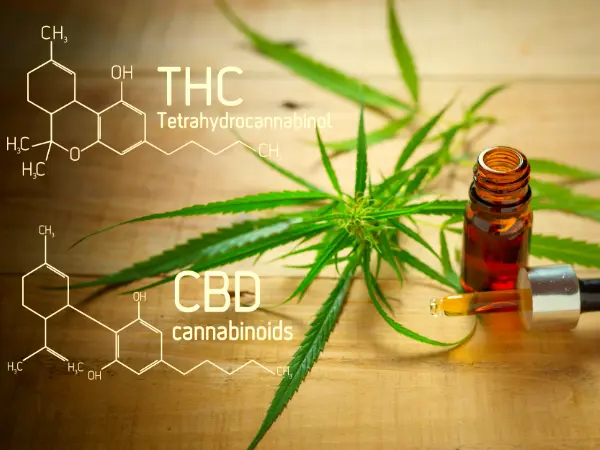
Cannabidiol (CBD) is one of the most prevalent compounds in the cannabis plant, widely recognized for its non-intoxicating nature and potential therapeutic uses. Unlike tetrahydrocannabinol (THC), CBD does not produce a psychoactive “high,” making it appealing for patients seeking symptom relief without altering cognition or mood. In medical contexts, CBD is derived from both hemp and marijuana plants and is frequently used in treatments targeting chronic pain, anxiety, epilepsy, and other conditions. The compound interacts with the body’s endocannabinoid system (ECS), but its effects vary based on individual biology and specific formulations of CBD products .
The Endocannabinoid System
The
ECS comprises cannabinoid receptors (CB1 and CB2), naturally occurring
endocannabinoids (such as anandamide and 2-arachidonoylglycerol), and
enzymes that regulate their production and breakdown. Although CBD does
not strongly bind to CB1 or CB2 receptors, it indirectly influences
their activity and modulates other important pathways, including
serotonin receptors and TRPV channels linked to mood and inflammation.
Through these mechanisms, CBD may help regulate pain perception,
anxiety, and immune function .
Cannabinoid Composition and the “Entourage Effect”
CBD oils are categorized based on their cannabinoid and terpene content:
- Full-spectrum CBD contains all cannabinoids and terpenes naturally occurring in the plant, including trace amounts of THC (usually below 0.3%). This composition is believed to produce an “entourage effect,” where various compounds work synergistically to enhance therapeutic benefits .
- CBD isolate, by contrast, contains only pure cannabidiol and no other cannabinoids or terpenes, making it a suitable option for those wishing to avoid THC entirely.
Terpenes—aromatic molecules found in cannabis—contribute to both the scent and the potential therapeutic synergy of CBD products. Differences in terpene and cannabinoid profiles may explain why patients experience varying effects even from products with similar CBD concentrations .
Medical Uses and Evidence
Evidence from clinical and observational studies suggests CBD may reduce symptoms of chronic pain, anxiety, and certain sleep disorders. It is also well-established as an adjunct therapy for specific epilepsy syndromes, such as Dravet and Lennox-Gastaut syndromes. However, for conditions like generalized anxiety, chronic pain, and inflammation, more large-scale, standardized clinical trials are needed to confirm efficacy and optimal dosing .
Product Forms and Bioavailability
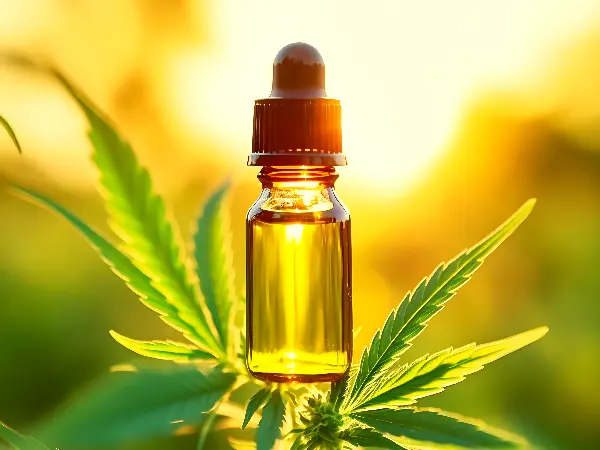
CBD is available in several formulations—tinctures, oils, capsules, edibles, topicals, and inhalable forms. Each delivery method offers different rates of absorption, or bioavailability, which affects how much CBD actually enters circulation. Inhaled and sublingual methods deliver faster effects than oral routes, while topical formulations act locally on targeted areas. Patients and clinicians should consider not only the method of administration but also the source (hemp vs. marijuana), concentration, and desired symptom relief when developing treatment plans .
Legal and Safety Considerations
Hemp-derived CBD products containing less than 0.3% THC are federally legal in the United States, though state laws can differ significantly. Consumers should confirm their local regulations before purchase or use. Reputable brands provide Certificates of Analysis (COAs) from third-party laboratories verifying cannabinoid content and the absence of contaminants such as heavy metals or pesticides. These reports help ensure product safety and transparency .
CBD is generally well tolerated, but potential side effects can include dry mouth, fatigue, reduced appetite, and interactions with certain medications, particularly those affecting liver metabolism. Consultation with a healthcare provider is recommended before starting any CBD regimen .
Common Questions about CBD.
How is CBD different from THC?
CBD is non-psychoactive and does not cause intoxication, whereas THC is the primary psychoactive compound in cannabis responsible for producing a “high” .
Is CBD legal everywhere?
Hemp-derived CBD is federally legal in the U.S., but laws vary by state, so it is important to verify local restrictions .
How does CBD affect the body?
CBD influences the endocannabinoid, serotonin, and TRPV receptor systems, which may modulate mood, inflammation, and pain responses .
Are there side effects to CBD?
Side effects are generally mild but can include dry mouth, fatigue, appetite changes, and potential drug interactions. Consulting a healthcare provider is essential before use.
What is the “entourage effect”?
The “entourage effect” refers to the theory that cannabinoids and terpenes work together to produce greater health benefits than isolated compounds alone—a concept supported by some research but still under scientific investigation.
Glossary of Key Terms
| Term | Definition |
|---|---|
| Cannabidiol (CBD) | A non-intoxicating compound found in cannabis and hemp . |
| Tetrahydrocannabinol (THC) | The main psychoactive cannabinoid responsible for cannabis’s “high.” |
| Endocannabinoid System (ECS) | A biological system regulating mood, pain, and immune function through cannabinoid receptors . |
| Full-spectrum | A CBD extract containing all plant cannabinoids and terpenes, including trace THC . |
| Isolate | A CBD-only product with no detectable cannabinoids or terpenes . |
| Terpenes | Aromatic compounds in cannabis that influence flavor, scent, and possible therapeutic synergy . |
| Bioavailability | The proportion of CBD absorbed into the bloodstream depending on the method of consumption . |
| Certificate of Analysis (COA) | A third-party lab report verifying the contents and purity of CBD products . |