Welcome to The CCOE's Policy Corner—your update on the dynamic landscape of cannabis legislation. Staying informed is essential for advocates, patients, and consumers, especially as new developments at both the federal and state levels continue to shape the future of cannabis in Massachusetts and beyond. The Cannabis Center of Excellence remains dedicated to social justice and best practices through research and education. This report distills complex policy shifts into clear, actionable insights for our community.
The National View: The Status of Federal Cannabis Rescheduling
In the past year, federal agencies have advanced the process to reclassify cannabis from Schedule I to Schedule III under the Controlled Substances Act. As of mid-2025, this rulemaking is either finalized or nearing its conclusion, representing a significant shift in federal cannabis policy (see: New York Times, “U.S. Moves to Reclassify Marijuana as Less Dangerous Drug,” April 2024; Federal Register, U.S. Department of Justice/DEA notices).
What This Means:
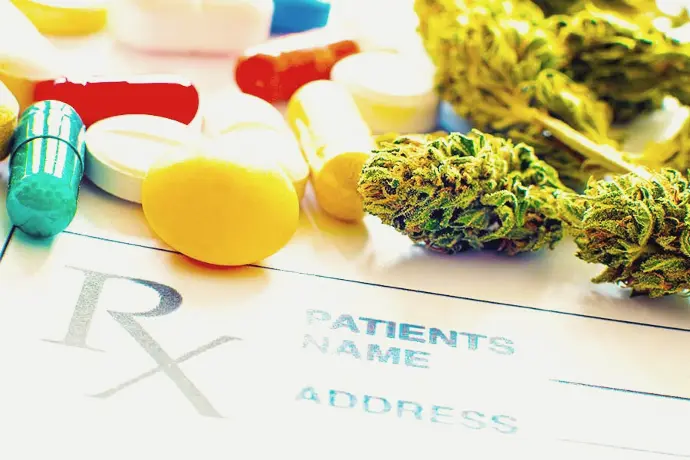
Rescheduling recognizes cannabis as having accepted medical use and may open new avenues for FDA-approved research. This reduces certain administrative barriers for research institutions, including those in Massachusetts, supporting continued scientific study.
280E Tax Implications:
If rescheduling is finalized, one major change is the likely inapplicability of IRS Code 280E to state-licensed cannabis businesses. This change would allow these companies to deduct ordinary business expenses on federal taxes, potentially improving financial sustainability for Massachusetts operators (New York Times, April 2024).
Limitations:
It’s important to note: rescheduling does not equal federal legalization or decriminalization. Cannabis remains illegal for adult use federally. Key policy initiatives—such as the SAFER Banking Act and full descheduling—remain under active discussion among lawmakers and advocacy organizations.
Massachusetts Legislative Snapshot: Current Debates
As the state’s cannabis market matures, regulatory attention has shifted from initial implementation to long-term industry sustainability and equity.
- Social Consumption Sites:
Regulatory frameworks for licensed cannabis consumption venues are progressing, with a small number of pilot sites expected in municipalities like Worcester and Boston (Massachusetts Cannabis Control Commission, Meeting Minutes; WBUR reporting, 2024–2025). The CCC has prepared draft regulations for social consumption sites, limiting access to those licenses to only MA Social Equity and Economic Empowerment applicants. Public comment and testimony in person regarding the draft regulations will take place in August 2025 at the Commissions office in Worcester, MA. - Strengthening Social Equity:
Massachusetts’ Social Equity Program, designed to address harms from past cannabis prohibition, continues to evolve. Current debate centers on increasing the size of the Social Equity Fund and improving access to grants and low-interest loans, plus expanding technical assistance and mentorship for equity applicants (Massachusetts Cannabis Control Commission, Press Releases and Meeting Minutes, 2024–2025). Social Equity Applicants will soon have access to social consumption licenses that could be available next year. - Tax Revenue & Community Reinvestment:
Ongoing policy discussions focus on the use of Massachusetts cannabis tax revenue, with advocates urging a larger share for community reinvestment programs in education, public health, and economic development (Boston Globe, coverage of tax and equity debates, 2024–2025).
What This Means for You
- For Consumers: Social consumption venues will provide new legal options for community gathering. Changes to business tax treatment may help to stabilize consumer prices.
- For Patients: Federal regulatory changes may encourage more robust medical cannabis research, benefiting patient care and treatment options.
- For Advocates: Continued engagement is crucial—monitor CCC hearings, communicate with legislators, and support effective funding for equity programs and community reinvestment.
The journey toward a fair and inclusive cannabis industry requires persistent public support, clear data, and informed advocacy. The CCOE will continue to share updates and educational resources as the landscape evolves.
Disclaimer: This article is for informational purposes only, not legal or medical advice. Policy details may change. For specific guidance, consult with qualified professionals. All cannabis use must comply with Massachusetts state and local laws.
Citations for Further Reference:
- National cannabis policy changes—rescheduling and tax implications:
- The New York Times, “U.S. Moves to Reclassify Marijuana as Less Dangerous Drug” (April 2024)
- Federal Register, U.S. Department of Justice / DEA official notices
2. Massachusetts policy updates—social consumption and equity:
- Massachusetts Cannabis Control Commission, official meeting minutes and press releases
- WBUR and Boston Globe reporting on state legislative developments and industry equity programs